Comments Needed on the proposed USFS Wastewater Lagoon for Holland Lake.
Save Holland Lake is advocating for an informed discussion surrounding the specifics of a proposed wastewater system to be built at taxpayer expense. To be clear, Save Holland Lake wants to see the Lodge operating and enjoyed by the public. However, we are concerned the proposed expansion is not in line with caring for the lake, its wildlife, and the surrounding public lands. The proposed wastewater plant appears to be a harbinger for a major expansion of use and potentially, expansion of the Lodge. Expanding use will have cumulative effects on the pristine alpine lake and its important wildlife habitats.
A large percentage of the public has voiced that they want the lodge operating “as it always did.” What that historic use level means is worth discussion. The current proposal is designed to support far above that historic level of use — and with minor modifications could support a massive site expansion larger than what POWDR proposed in 2022.
What drives the size of the plant is primarily “off-season” or “winter” use. The current USFS plan creates more “off season” waste water than the original POWDR proposal. The current proposal is 642,400 gallons for off season use. POWDR had previously proposed 476,640 gallons. Remember how massive that original expansion was?
Does it make sense to spend 3-4 million dollars of taxpayer dollars to build a system where 90% of the wastewater comes from a privately owned business?
Simply put, we don’t think the plant should be as large as proposed. We don’t think taxpayers should fund a wastewater expansion fully for the benefit of a privately owned business. And we don’t think the USFS should quietly create the infrastructure to allow another POWDR plus-size site expansion when the public voiced overwhelming opposition.
The wastewater rebuild is not an “all or nothing” situation. Please tell the Flathead National Forest that you advocate for sensible reconstruction of the waste water treatment facility that is in line with the public interest; a smart solution that is right for the community and safe for the surroundings.
There are many layers to this complicated problem. And there is more than one solution. The Forest Service must explore all options to lessen the impacts on the lake, its wildlife, and the surrounding forest. SCROLL DOWN for more information.
The Flathead National Forest is proposing a Wastewater Treatment Plant expansion from 350,000 gallons to over 1.55 million gallons.
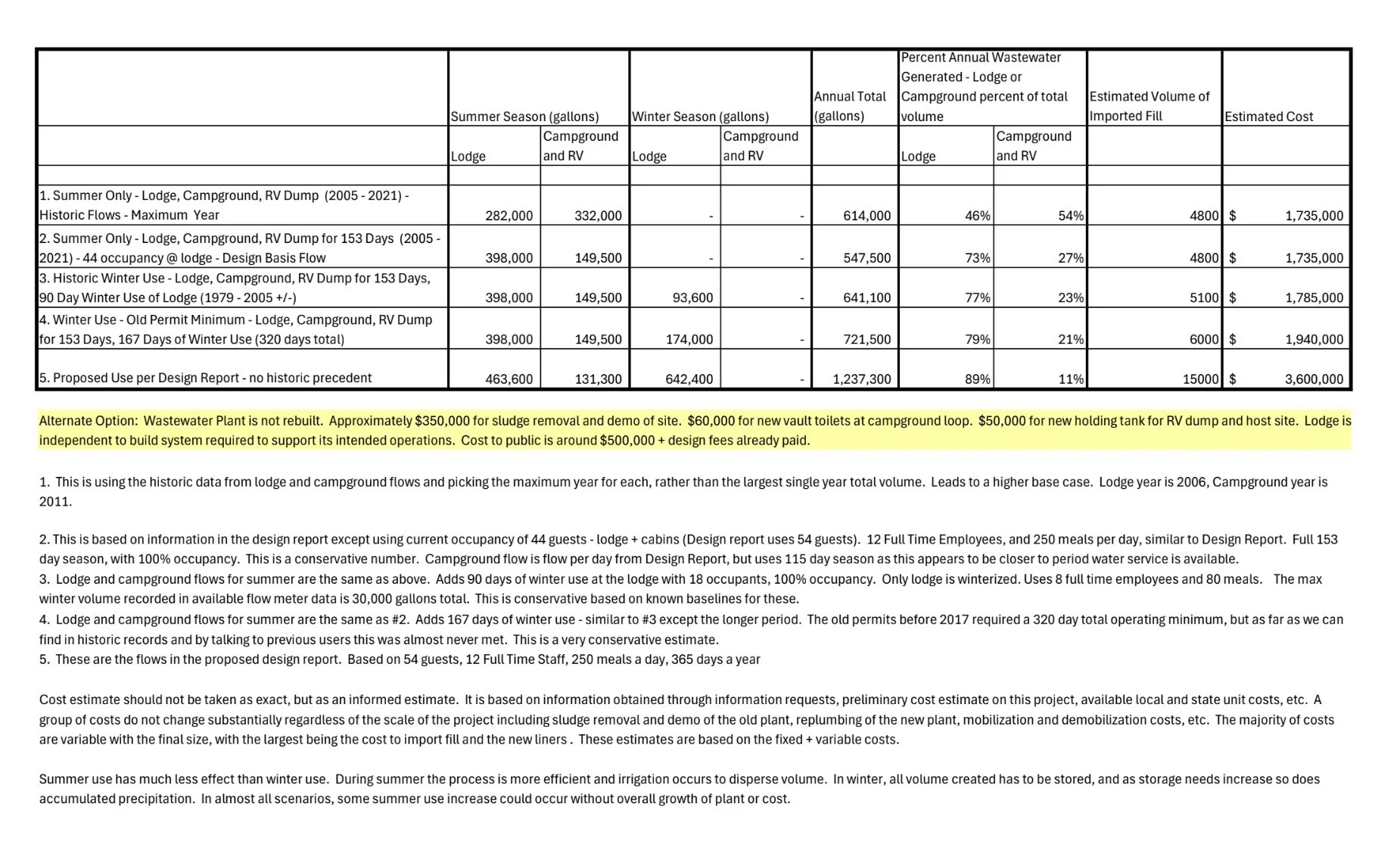
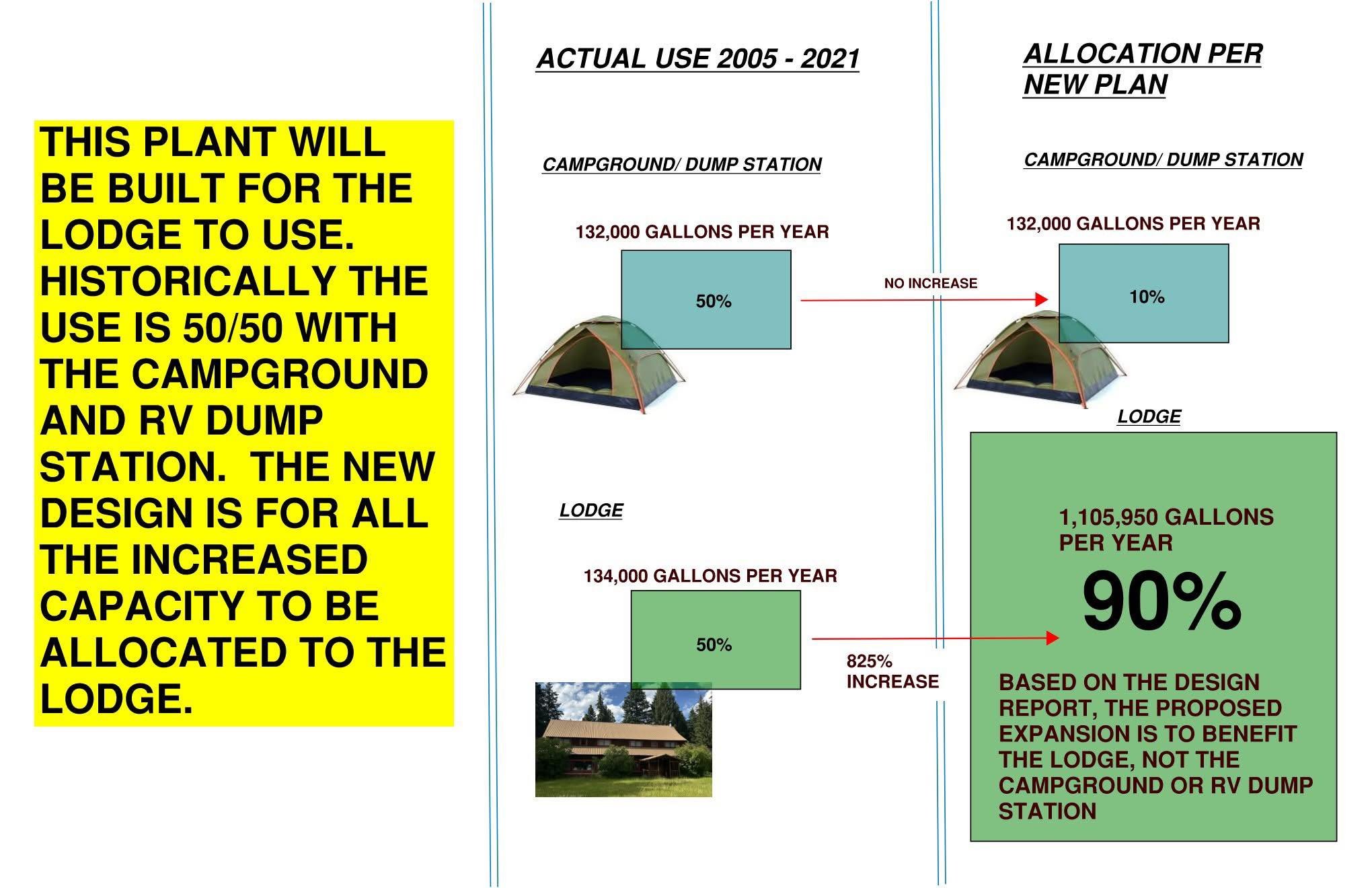
The new Holland Lake wastewater system design considers about 20 years of historic data to establish how the areas have been used in the past.
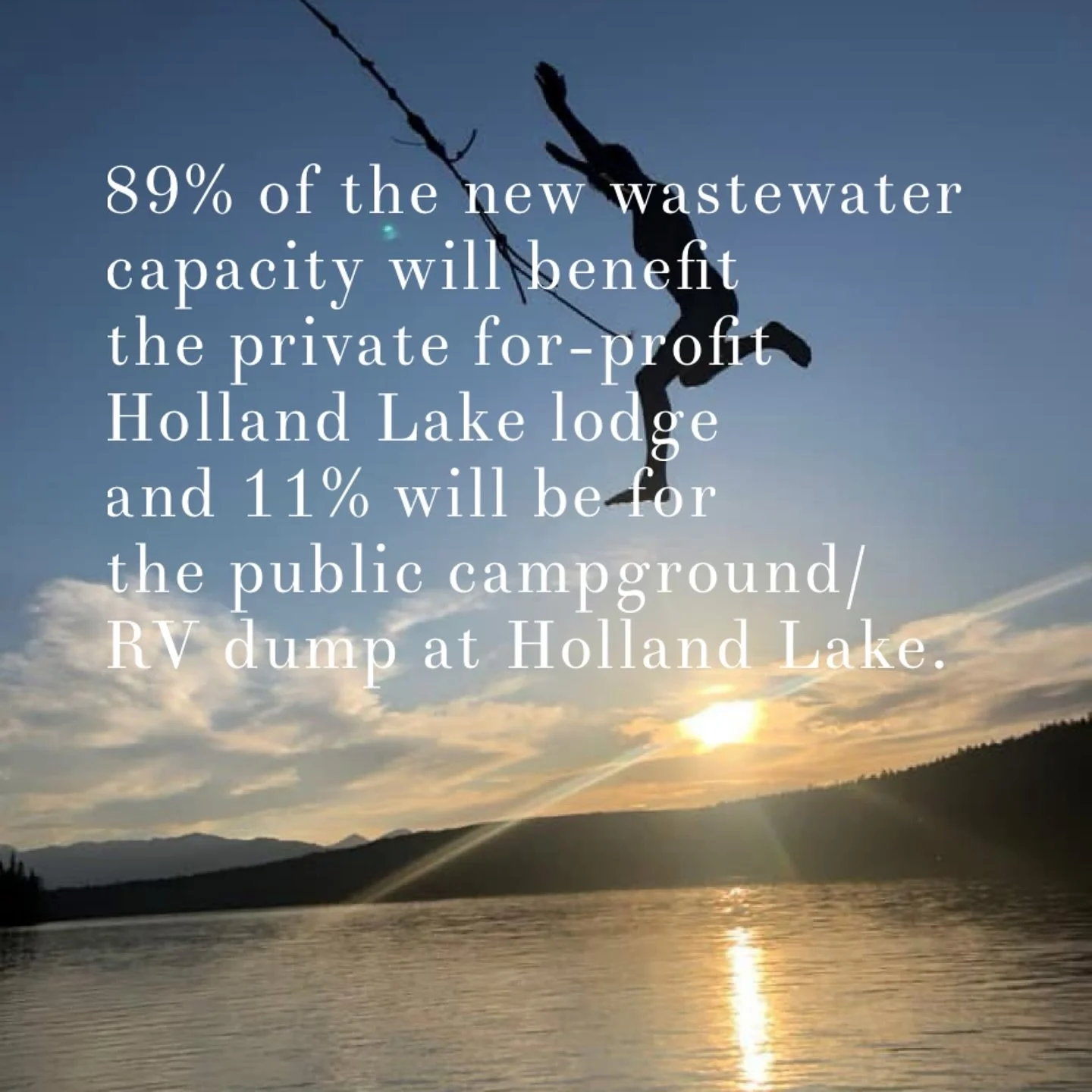
Usage has been about 50/50 between the lodge and campground/RV dump. For this major expansion, all of the new capacity is planned for the lodge. But paid for by the taxpayers.
The proposed activities would begin in the summer 2026. Submit your public comment by 4/30/2026 at 11:59:59 PM.
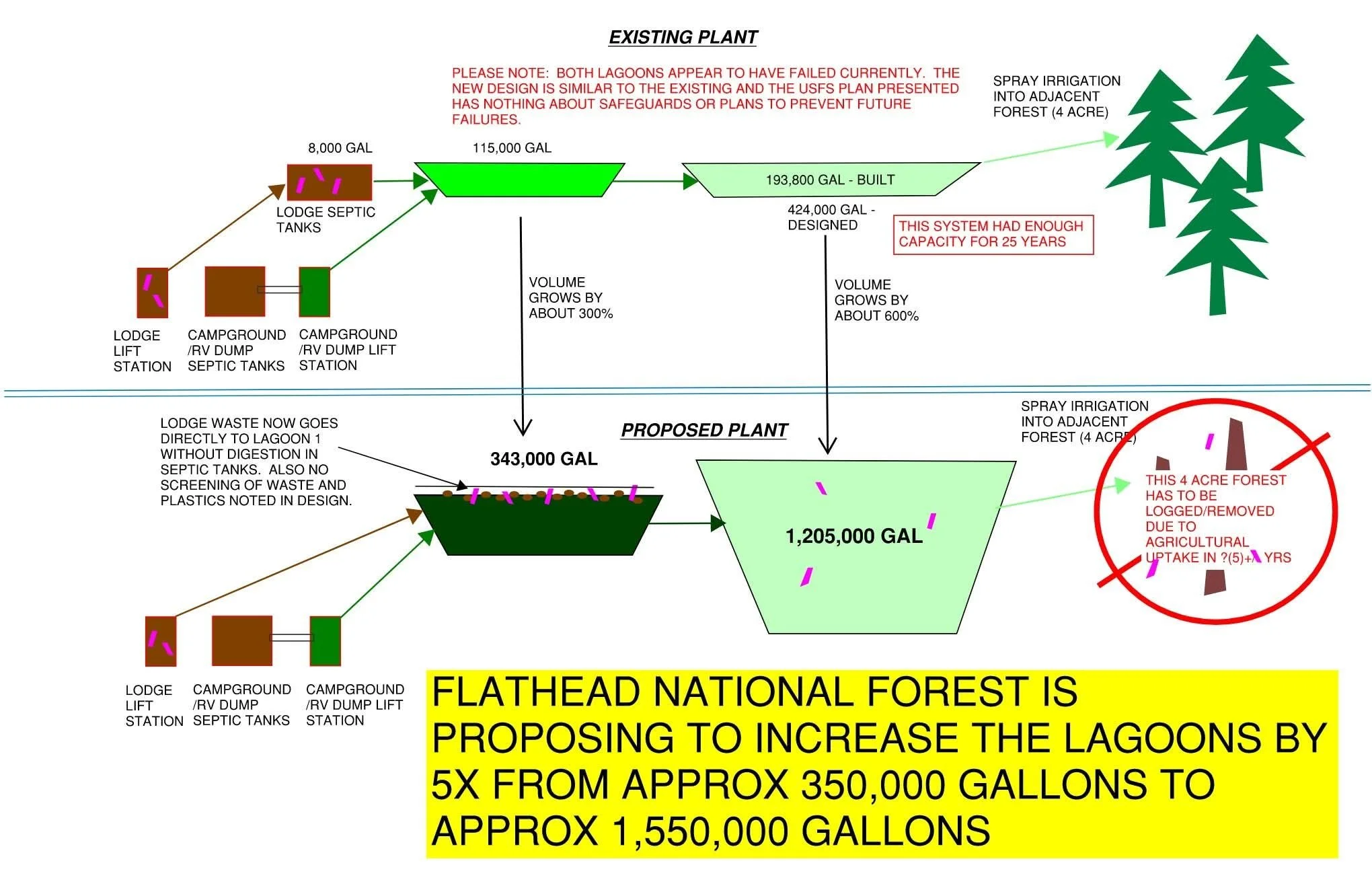
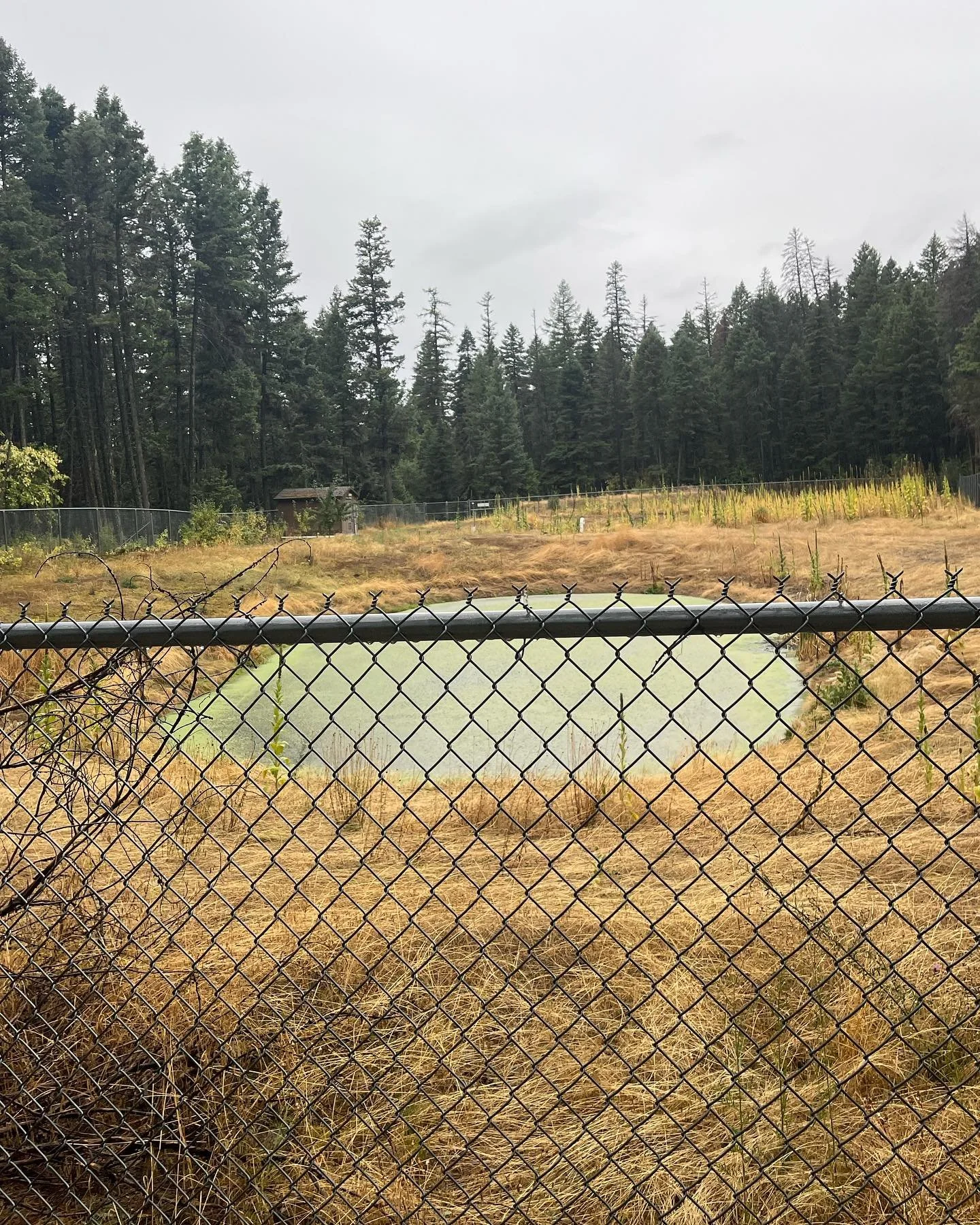
This is a diagram to show the proposed change. The volume increases by approx 5x in the two lagoons. All material from the lodge now goes directly into the first lagoon instead of into septic tanks, meaning the first lagoon has a lot more biological material. It also means there is no place to catch trash and plastics before the lagoons, and potentially before they are sprayed into the forest. There will be a cover on Lagoon 1, but you won't want to peak under it.
Deadline for Comment
PLEASE NOTE: The deadline for comment is not totally clear or understood. For now, we can advise the following: The Forest Service is encouraging people to submit comments by April 1st, but will accept comments until 4/30/2026 11:59:59 PM Eastern Standard Time.
On March 2, 2026 The Flathead National Forest announced:
“Public involvement is encouraged and your engagement will be accepted any time prior to finalizing this project. If the public chooses to submit written comments, these will be included in the project record and may be used to inform my decision. Your input on the project would be most helpful within the next 30 days.
Comments received in response to this solicitation, including names and addresses of those who comment, will become part of the public record for this proposed action and may be available for public inspection.
Your comments are requested through 4/30/2026 11:59:59 PM (Eastern Standard Time).”
It is unclear what the deadline truly is. We encourage you to reach out to the FNF to clarify (info below).
A member of the public recently reached out to them for clarification. The Flathead National Forest stated: “Thank you for providing more specifics on your question of the dates. We will be accepting public input up until the decision is made. There is no “cutoff date” for public input.”
Deadline for Comment is 4/30/2026 at 11:59:59 PM.
Please take the time to leave a comment on the USFS Website
“In comparison to the previous sewage lagoon, The Flathead Forest is proposing to build a new lagoon at 5 times the volume, 3 times the land area, and over twice the cost of what is needed.”
The Question is WHY?
Why are they proposing to build something that could support a POWDR-like expansion? And why is it on the public’s dime? What is being planned?
If not for Holland Lake Lodge’s plans of expanded use, then a lagoon of that size would never be needed. The public campground does not require such expansion.
So why is the public paying for a private company’s expansion?
The Forest Service (FS) does not anticipate any winter flows from the Campground or RV dump (government- owned facilities), only from the privately-owned facilities of Holland Lake Lodge (HLL). Why should taxpayers foot the bill for increasing Waste Water Treatment Plant lagoon sizes to promote winter use of the system by a privately-owned business? Does the FS pay for the construction, Operation and Maintenance, or upgrades of Waste Water treatment systems for other privately-owned recreation facilities such as FS-permitted ski areas. Why should the FS use Congressional appropriations (tax dollars) to pay for upgrades to expand use that only benefits Holland Lake Lodge Inc?
Public comment is more important than ever.
Public comment is an essential part of the “administrative record” considered by a reviewing court if litigation occurs.
If it (issues, concerns, data, citations to publications, etc.), isn’t in the record, the court won’t consider it.
The Flathead National Forest is once again not allowing submitted public comments to be seen by the public. We know this is frustrating. So we’re creating a public reading room here on our site. Please use this as a resource to help you understand the issues and to assist you in drafting your own comments.
If you have a public comment to add to the reading room, please email savehollandlake@gmail.com.
Please indicate if we can use your name or not.
Need Some Inspiration for your Public Comment?
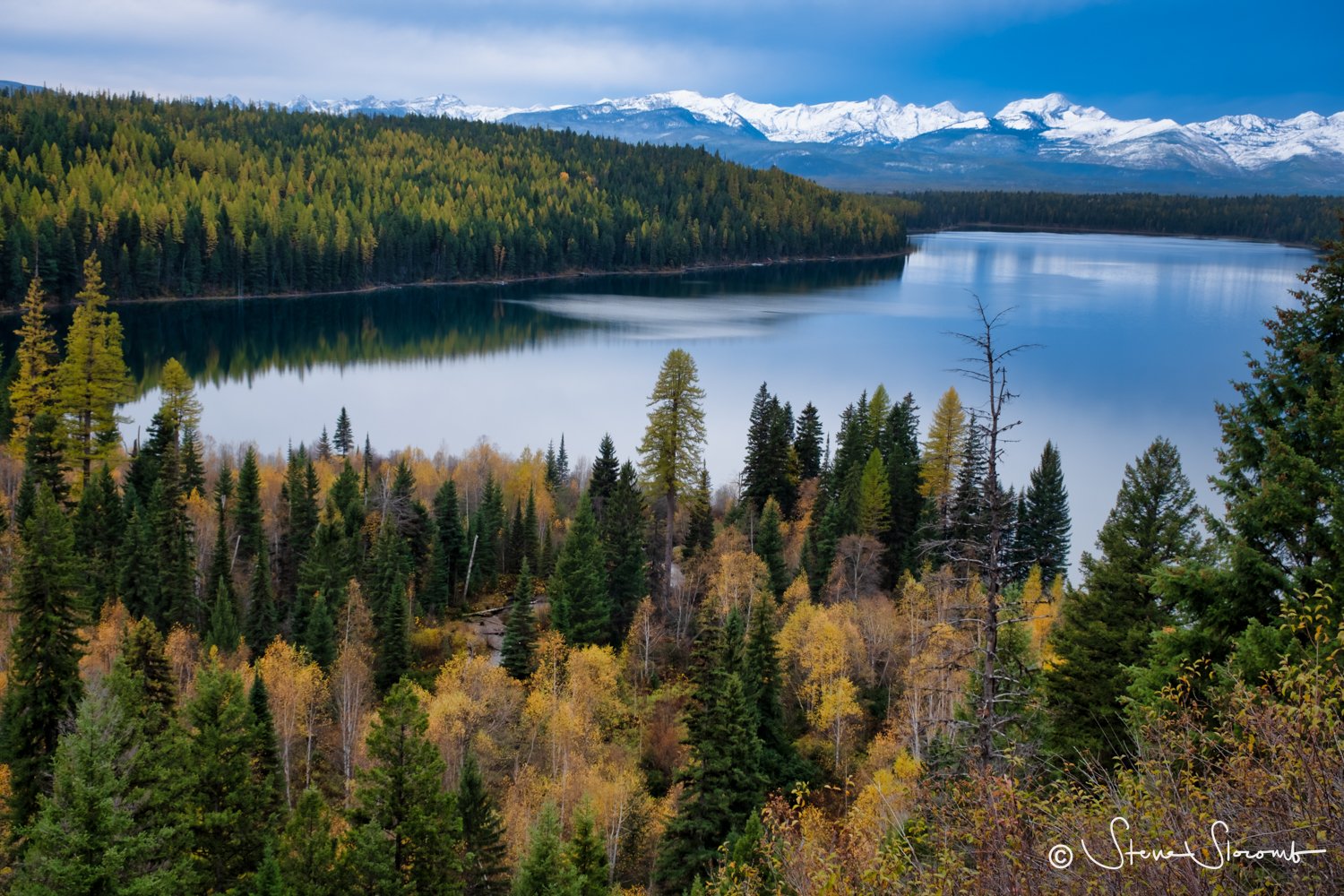
“Is this Waste Water Expansion in the best interest of the Public?”
JACKSON (WNE) — The Wyoming Department of Environmental Quality has officially classified an emblem of Togwotee Pass’ wild country and a popular subalpine fishery as a degraded waterway.
The ignominious inductee onto the state’s “impaired water” list is the Shoshone National Forest’s Brooks Lake, which has experienced seasonal algae blooms that on the worst occasions have triggered severe fish kills. Environmental regulators investigated the 234-acre lake in 2015 and acted on their findings this spring.
“Nearby horse corrals and a wastewater lagoon located next to the lake were identified as sources of excess nutrients and elevated pH,” DEQ officials wrote in a new report.
A Forest Service Partnership with a Luxury Lodge?
Don’t let what happened to Brooks Lake, happen to Holland Lake…
SAVE HOLLAND LAKE
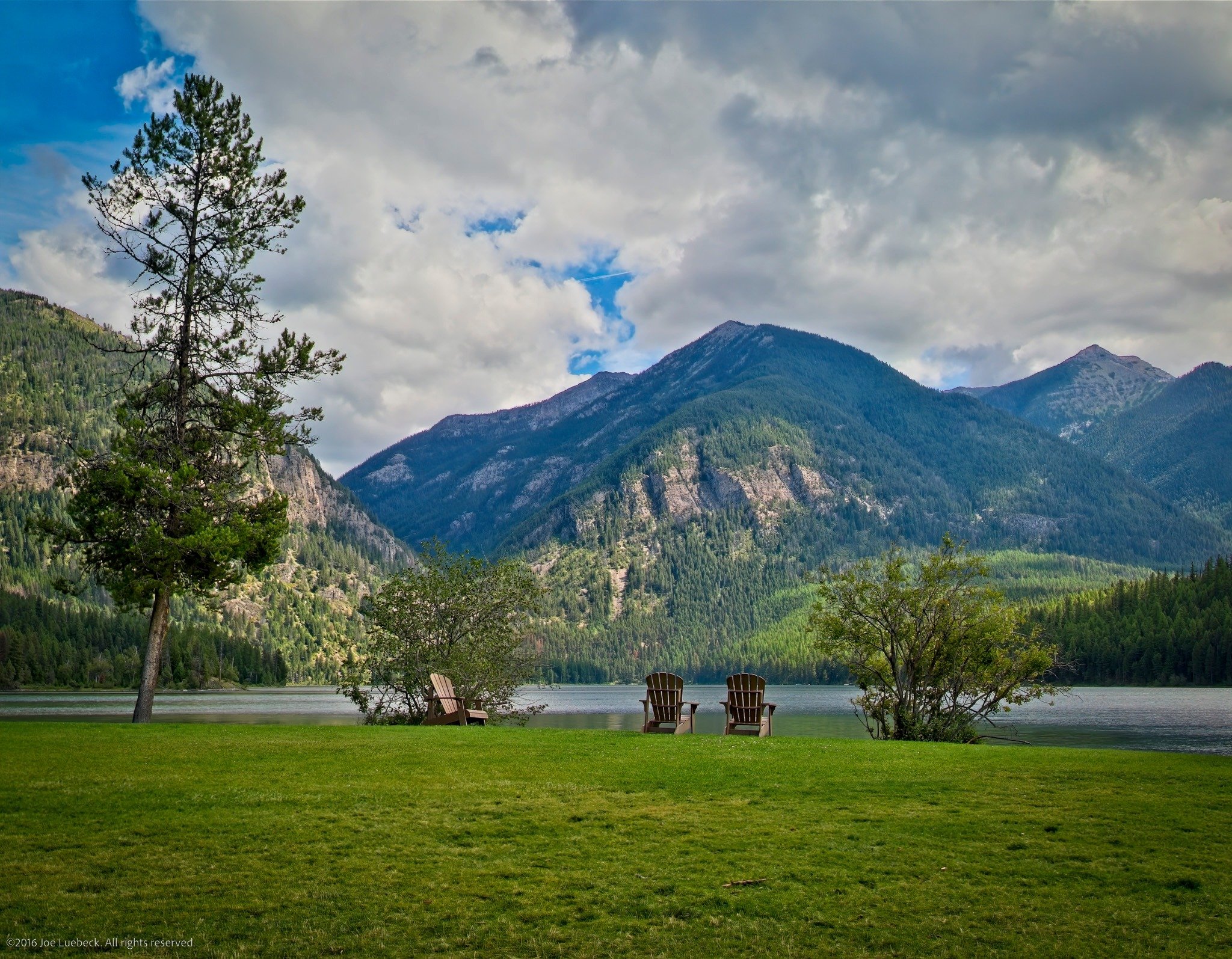
2016 photo by Joe Luebeck

If you would like bumper stickers, posters, banners, or yard signs, please email us at savehollandlake@gmail.com


For any questions or if you wish to inquire more about how you can help, please email us at savehollandlake@gmail.com
Follow us on Facebook at www.facebook.com/savehollandlake
Follow us on Twitter at www.twitter.com/SaveHollandLake
Follow us on Instagram at www.instagram.com/save_holland_lake